

Is EMF exposure at work hitting you more than you think? What antenna and server room pros are wearing now.
Modern telecom infrastructure, AI data centers, industrial automation, and wireless communication systems have created workplaces filled with constant electromagnetic activity. For many professionals, exposure to radiofrequency (RF) radiation is simply part of the job.
Telecom tower technicians regularly work beside active 4G and 5G antennas operating between roughly 700 MHz and 40 GHz. Broadcast engineers maintain high-powered RF transmission systems, while radar operators and industrial electricians spend long hours around equipment generating strong electromagnetic fields. Even server room engineers often work inside dense electronic environments filled with networking hardware, wireless systems, and high-capacity power infrastructure.
As awareness of occupational EMF exposure grows, EMF protective clothing is becoming increasingly important for professionals who spend years working around powerful wireless and electrical systems. For many technicians and engineers, shielding apparel is no longer viewed as a niche product, but as a practical part of workplace protection in environments with constant RF activity.
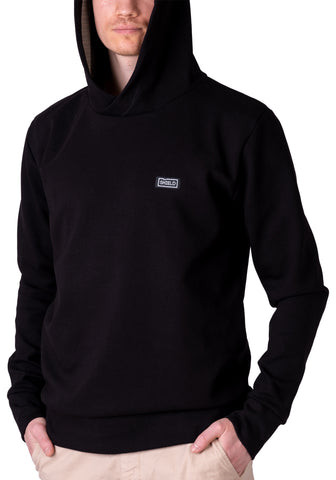
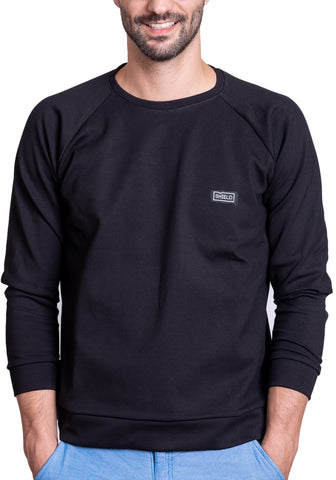
Professionals working around antennas, server infrastructure, and industrial electronics often wear EMF hoodies, shielding base layers, RF-protective hats, gloves, neck gaiters, and conductive jackets during maintenance work or extended exposure periods. In high-density electronic environments, these garments can provide an additional physical barrier between the body and surrounding electromagnetic radiation.
Unlike regular clothing, EMF shielding garments are made with conductive materials such as silver, copper, or stainless steel fibers. These materials are designed to attenuate electromagnetic radiation before it reaches the body. Laboratory-tested shielding fabrics commonly provide attenuation levels between 30 dB and 50 dB, which corresponds to approximately 99.9% to 99.999% signal reduction under controlled testing conditions.
Many industrial-grade EMF garments are tested across frequency ranges from 10 MHz to 40 GHz, covering common occupational sources including:
- 4G LTE systems
- 5G Sub‑6 networks
- 5G mmWave antennas
- Wi‑Fi infrastructure
- Radar systems
- RF broadcasting equipment
Scientists and regulators measure RF exposure using standards such as Specific Absorption Rate (SAR), which evaluates how electromagnetic energy is absorbed by biological tissue. Organizations including the World Health Organization (WHO), the International Commission on Non‑Ionizing Radiation Protection (ICNIRP), and the FCC have established occupational exposure guidelines for workers operating around RF systems.
According to ICNIRP guidance, frequencies above 100 kHz can interact with biological tissue, while higher GHz frequencies are primarily associated with surface tissue heating effects. Because of this, industries working with high-powered RF infrastructure typically rely on layered safety procedures that include exposure monitoring, distance protocols, controlled maintenance windows, and protective equipment.
EMF protective clothing is increasingly becoming an important part of that layered approach. Technicians climbing active telecom towers, engineers servicing broadcasting antennas, and workers performing long maintenance shifts inside server environments often rely on shielding hoodies, conductive shirts, EMF-lined caps, and protective base layers as an additional precaution during daily operations.
The importance of shielding clothing becomes even more relevant in occupations where exposure occurs repeatedly over many years. While regulatory limits focus on short-term occupational safety thresholds, many professionals prefer reducing unnecessary long-term exposure whenever practical. For workers spending 8–12 hours per day around transmitting equipment, wearable shielding solutions offer a simple and passive method of additional protection alongside existing industrial safety procedures. Technicians climbing active telecom towers, engineers servicing broadcasting antennas, and workers performing long maintenance shifts inside server environments often use shielding apparel as an additional measure alongside established workplace safety standards.
At the same time, professionals should understand the limitations of EMF shielding garments. No clothing can eliminate all electromagnetic exposure, especially in extremely high-powered industrial environments. Shielding effectiveness depends on multiple factors including frequency, fabric quality, garment coverage, signal intensity, and distance from the source.
As wireless infrastructure and industrial electronics continue expanding globally, interest in practical EMF protection for occupational environments is expected to grow further. For professionals working daily around antennas, RF transmitters, and dense electronic systems, EMF shielding apparel is increasingly viewed as one additional tool for managing long-term exposure awareness.