

When to use EMF-proof clothing. And when not to.
EMF-protective clothing is becoming more mainstream as people look for simple, practical ways to reduce their daily exposure to wireless signals. But with the growing interest has come a wave of exaggerated claims and misleading promises.
We believe in clarity, honesty, and real-world expectations — especially because most EMF brands overpromise.
This guide explains when EMF clothing genuinely makes a difference, when it offers only marginal benefit, and when another solution may be more effective. Our goal is to help you make informed decisions, not to oversell you something you don’t need.
When EMF-proof clothing is the right choice
1. When your phone stays close to your body
Keeping your phone in your pocket, hoodie pouch, or waistband is one of the highest-intensity exposure scenarios.
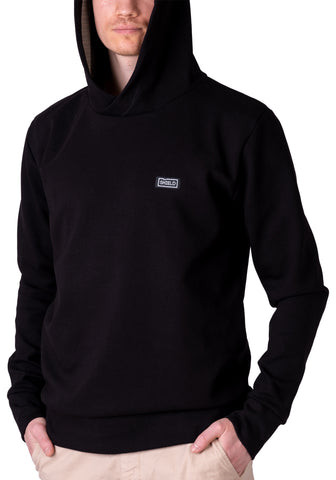
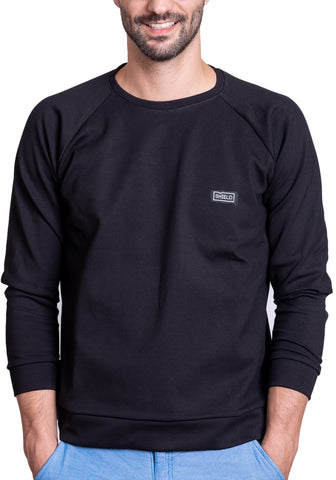
Shielded clothing creates a physical reduction barrier right where it matters most.
2. When you live close to a 5G small-cell tower
If there’s a 5G pole or rooftop antenna near your home, shielding apparel can serve as a personal layer of mitigation — a steady background reduction you can wear throughout the day.
3. During pregnancy
Many expecting parents want to lower incidental exposure without dramatically changing their habits.
A shielded hoodie or belly band provides consistent, comfortable protection.
4. In high-density wireless environments
Airports, commuter trains, co-working spaces, busy cafes, and tech-heavy offices all create periods of elevated signal intensity.
Shielded apparel helps soften those peaks.
5. When you sleep near electronics you can’t move
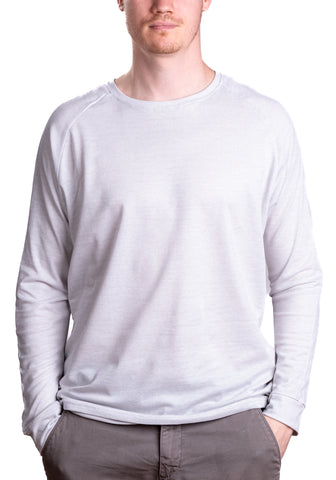
If your bedroom shares a wall with a smart meter or if certain devices can’t be relocated, shielded sleepwear adds a meaningful reduction without rearranging your home.
When EMF-proof clothing is NOT the best tool
1. When distance solves the problem better
If you can move your phone off your lap, relocate your router, or adjust how you store your devices, you’ll see even stronger reductions than shielding alone.
2. When you need complete signal blocking
If your goal is zero signal, such as when you don’t want your phone to send or receive anything, a Faraday pouch — like our SHIELD faraday pouch — is the correct choice.
Clothing reduces exposure. A pouch creates a full block.
3. When you’re expecting unrealistic results
Shielded clothing is highly effective at reducing exposure, not eliminating it.
It supports better habits, but it’s not a force field.
4. When the exposure point isn’t actually on your body
For example, using a shielded hoodie while holding your phone in your hand won’t address the primary source. Shielding works best when it covers the area closest to the device.
5. When simpler lifestyle adjustments are available
Sometimes turning off Wi-Fi at night or disabling Bluetooth on unused devices provides quick, meaningful improvements without additional gear.
When shielding is helpful, but optional
Some situations don’t require EMF clothing — but benefit from it:
-
Working long hours on laptops or tablets
-
Spending most of the day in modern office environments
-
Traveling through cities with dense 5G coverage
Here, shielding acts as a practical layer of daily reduction, not a necessity.
Most EMF brands overpromise, clear guidance is rare. EMF-proof clothing is a powerful tool when used intentionally and with realistic expectations. It works best as part of a balanced approach that includes smart device habits and, when needed, targeted products like Faraday pouches.
We design our products around real performance — not hype. Our goal is simple: give you practical, trustworthy tools to help reduce your exposure in the environments you can’t fully control.