

The thyroid may be one of the body’s most EMF-sensitive organs
In conversations about electromagnetic fields (EMF), most attention is usually placed on the brain, the heart, or overall “full‑body” exposure. Yet one small, often overlooked gland may deserve far more consideration: the thyroid.
Important note: This article is for informational and educational purposes only. It does not provide medical advice, diagnosis, or treatment. Any references to research or personal experiences are presented to explain why interest exists around this topic, not to establish medical conclusions.
The thyroid plays a central role in how the body produces energy, regulates metabolism, supports cardiovascular function, and maintains mental clarity. Emerging research, expert commentary, and lived experience from EMF‑sensitive individuals suggest that this gland may also be particularly vulnerable to long‑term, close‑range EMF exposure.
The thyroid’s role in the body
The thyroid is a butterfly‑shaped gland located at the front of the neck. It produces hormones that influence nearly every system in the body, including:
-
Energy production and metabolic rate
-
Body temperature regulation
-
Cardiovascular performance
-
Cognitive function and mood
-
Muscle strength and recovery
Because the thyroid helps regulate how efficiently the body converts food into energy, even subtle disruptions can have wide‑ranging effects.
Why EMF exposure raises thyroid concerns
Unlike many organs, the thyroid sits close to the surface of the body and is often positioned directly in the path of EMF emissions from modern technology. Smartphones held near the face or chest, wireless earbuds, tablets, laptops, smart wearables, and nearby antennas can all contribute to repeated exposure in the neck area.
Researchers and commentators in the EMF field have discussed several reasons why this area is of interest:
-
Proximity: Devices are frequently used close to the neck and upper chest
-
Duration: Exposure is often low‑level but continuous
-
Biological sensitivity: The thyroid relies on precise hormonal signaling
Some scientific discussions explore whether EMF exposure could interact with biological processes such as oxidative stress or cellular signaling pathways. These topics are still being studied, and no definitive conclusions have been established.
Reported symptoms and individual sensitivity
Many people tolerate EMF exposure without noticeable effects. However, individuals who identify as EMF‑sensitive or who already manage thyroid imbalance sometimes report symptoms that appear or worsen with exposure.
Reported experiences sometimes include:
-
Persistent fatigue
-
Brain fog or difficulty concentrating
-
Sensitivity to cold
-
Mood changes or low motivation
-
Weight changes or slowed metabolism
-
Neck discomfort or pressure
It’s important to emphasize that sensitivity varies widely, experiences are highly individual, and such reports do not establish cause‑and‑effect relationships. Still, the consistency of thyroid‑related concerns across EMF‑aware communities has prompted deeper interest in this area.
The overlooked gap in EMF protective clothing
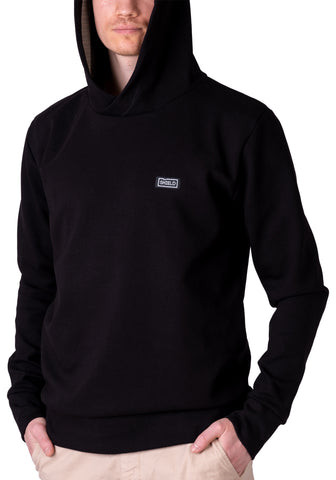
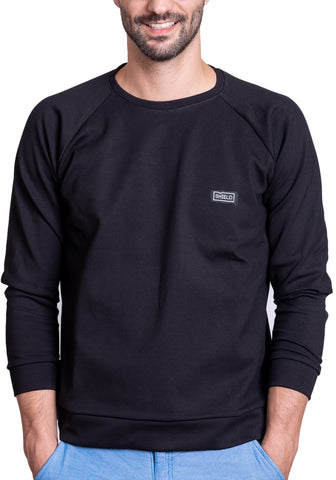
One challenge often raised by medical professionals and EMF‑conscious consumers is that most EMF‑protective clothing focuses on the torso, leaving the neck and thyroid area uncovered.
While shielding shirts, hoodies, and jackets may reduce exposure to the chest and back, the thyroid remains relatively exposed — despite its critical role and sensitive location.
This has led to increased interest in garments that extend protection upward, such as:
-
EMF‑shielded turtlenecks
-
Neck‑covering base layers
-
Integrated collars or high‑neck designs
These approaches aim to reduce direct exposure in an area that is often ignored in standard designs.
A balanced approach to EMF awareness
Discussing potential thyroid sensitivity does not mean eliminating technology or living in fear of EMFs. Instead, it encourages informed, practical choices, such as:
-
Limiting close‑range device use when possible
-
Avoid carrying phones directly against the neck or chest
-
Reducing nighttime exposure near the bed
-
Using shielding solutions thoughtfully in high‑exposure situations
For some individuals, design choices that include neck coverage may feel like a thoughtful addition to broader personal exposure‑management habits.
Thoughtful design for modern exposure
We believe EMF protection should reflect how technology is actually used — close to the body, throughout the day, and often near sensitive areas. As awareness grows around thyroid exposure, design considerations that include the neck and upper chest are becoming increasingly relevant.
By focusing on both science and real‑world experience, we aim to create protective apparel that supports a more balanced relationship with modern technology — without alarmism, and without compromise.